
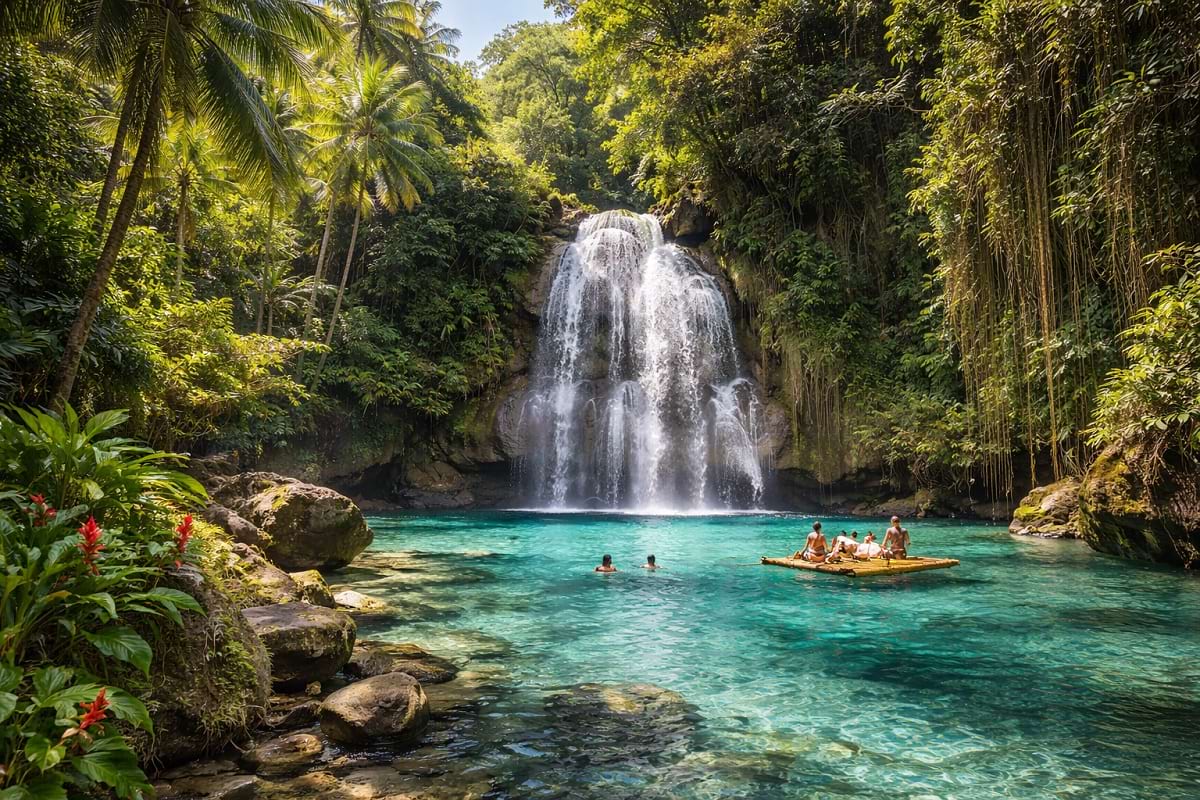
The Philippines is known for its paradise beaches, but the interior is also home to an impressive collection of waterfalls. From wide curtain waterfalls to narrow vertical rapids and hidden mountainous pools, waterfalls are an essential part of the archipelago's tropical landscape. This guide takes you to the most spectacular waterfalls, provides practical travel tips, natural features and how to combine waterfalls with other sights and activities during your trip.
With thousands of islands spread across Luzon, the Visayas and Mindanao, the waterfalls vary in size and accessibility. Some are easily accessible via short hikes, while others are hidden in pristine jungle areas and require effort to reach. What they all have in common is their natural beauty and the refreshing feeling they give in the warm tropical climate climate.
Why visit waterfalls in the Philippines
Waterfalls in the Philippines are not only a feast for the eyes, but also offer a combination of adventure, nature and relaxation. Most waterfalls are surrounded by tropical vegetation, limestone cliffs or mountain landscapes giving them a dramatic setting. The combination of water, flora and fauna makes waterfalls perfect day trips for nature lovers and adventurers.
Many visitable waterfalls have natural swimming holes where you can cool off, swim or picnic. In addition, waterfalls can be part of activities such as canyoning, trekking or jungle tours. For photographers, these places offer countless perspectives: from majestic cascades to intimate forest pools.
Kawasan Falls – one of the most iconic waterfalls
In the south of the island Cebu kawasan Falls is perhaps the most famous waterfall in the Philippines. This wide waterfall plunges into a turquoise pool surrounded by lush greenery. The river leading to the waterfall is itself an adventure: clear mountain streams meander between rocks and trees before joining the wide cascade.
Kawasan Falls is ideally suited for canyoning. You follow the river upstream, jump from rocks, slide over natural water courses and swim through gorges. Local tour operators offer guided canyoning tours with safety equipment, making it an exciting yet accessible activity for adventure seekers.
Practical tips for Kawasan Falls:
- Accessible by motorized ride from Moalboal or Badian
- Best time to visit is the dry season for clear water and safe conditions
- Canyoning tours include guides and equipment
- More remote pools are less crowded and excellent for swimming
Tumalog Falls – wide curtain waterfall near Oslob
Tumalog Falls is located nearby Oslob on Cebu and is known for its wide waterfall that cascades down a rock wall like a curtain. The waterfall forms a shallow pool at the bottom, perfect for swimming and relaxing. Thanks to the wide and relatively gentle fall of the water, Tumalog has a serene appearance.
Access to Tumalog Falls requires a short hike from the parking lot, passing through tropical vegetation. The area is relaxing and less crowded than some other tourist waterfalls.
- Accessible via short walk
- Distinguished by breadth and serenity
- Popular with local day trips
Pagsanjan Falls – canoeing adventure and natural beauty
Pagsanjan Falls, officially called Aliw Falls, is located in the Laguna province of Luzon. This waterfall is famous for the traditional canoeing experience that most visitors undertake to reach the fall. From the river, canoes are used to paddle up through narrow gorges against the current, with cliffs and rainforest on either side.
The final stop is the wide waterfall that falls into a deep pool, where you can swim and enjoy nature. The canoe ride is an attraction in itself and combines adventure with a cultural experience.
- Unique canoe access to the waterfall
- Deep swimming spot under the waterfall
- Surrounded by lush vegetation
- Suitable for all ages
Maria Cristina Falls – waterfalls of Mindanao
Maria Cristina Falls near Iligan City, Mindanao is among the most impressive waterfalls in the country because of its powerful double flow of water. Located along the Agus River, the waterfall is not only a tourist destination but also an important part of the region's energy supply infrastructure.
The valleys and forests surrounding the waterfall are ideal for walks and nature observation. Maria Cristina is impressive in size and shape, making it a must for travelers who want to experience natural power and beauty.
- Two powerful water streams
- Viewpoints and nature trails
- Protected mountain environment
Waterfalls in Northern Luzon – hidden mountain gems
Northern Luzon is rich in mountain areas, rainforests and valleys where numerous waterfalls are hidden. These waterfalls are often less known to international travelers but offer pure nature experiences.
Amboy Falls
Located in the mountainous regions of Luzon, Amboy Falls is surrounded by tropical forest and dense vegetation. It cascades over multiple levels of waterfalls before turning into a pool-like pool below.
- Swimming-friendly pools
- Less touristy
- Okay for day trips with pickup routes
Ditumabo Falls
Also known as “Mother Falls”, Ditumabo Falls is located deep in the mountainous rainforests of Northern Luzon. This waterfall is large, powerful and surrounded by a mystical atmosphere that is perfect for nature lovers and photographers.
- Access via jungle trails
- Natural swimming spot
- Quiet environment
Waterfalls around Palawan
Although Palawan is best known for lagoons and limestone cliffs, you will also find waterfalls far away from the coast. These are less known but represent impressive discoveries for travelers following nature trails through forests and mountain landscapes.
- Estrella Falls – deep in the interior of Palawan and ideal for adventurous hikes
- Unnamed cascades – many small streams and waterfalls along jungle routes
Activities around waterfalls
Waterfalls in the Philippines are not just for admiring. they Can be part of a wider nature experience or activity, including:
- Canyoning – walk and gorge jumps above running water
- Jungle trekking – paths through tropical forest to waterfalls
- Swimming and picnicking – natural swimming spots under waterfalls
- Photography and nature observation – flora and fauna around waterfalls
For canyoning tours and longer trekking adventures it is advisable to book local guides safety and an optimal route.
Best time to visit waterfalls
Waterfalls can be visited all year round, but the best time is often shortly after the end of the rainy season. During this period, waterfalls are fuller and more powerful due to recent rainfall. At the same time, paths and trails are often a bit slippery, which makes good shoes and guides important.
- Dry season (November – may) – comfortable for hikes and walks
- Rainy season (June – October) – more powerful waterfalls but muddier paths
What should you pay attention to with waterfalls?
Safety and respect for nature are important at waterfalls:
- Check local conditions – water levels can change quickly
- Use good shoes – paths can be slippery
- Do not leave any waste behind – help protect nature
- Bring plenty of water and snacks – some paths are long
Combine waterfalls with other nature experiences
A trip to waterfalls can be easily combined with other nature activities in the Philippines, such as:
- Mountain destinations and hikes – combine waterfalls with viewpoints
- Snorkeling and to dive – in the coastal regions
- Culture and traditions – visit local communities and highland villages
- Eco-tourism – nature reserves and mangroves
Through combinations you can put together a versatile trip in which both to put away, water and sea are experienced.
Natural wealth
Waterfalls in the Philippines are an indispensable part of the archipelago's natural wealth. Whether you want to experience the wide pools of Kawasan Falls, admire the serene curtain waterfall of Tumalog or discover hidden mountain waterfalls, the country offers a huge variety of natural beauty and adventure. With the right planning, respect for nature and curiosity to discover hidden gems, a waterfall route through the Philippines is a highlight of any trip.
Frequently asked questions about waterfalls in the Philippines
What are the most beautiful waterfalls in the Philippines?
Among the most famous and beautiful waterfalls are Kawasan Falls in Cebu, Tumalog Falls near Oslob, Pagsanjan Falls in Luzon and Maria Cristina Falls in Mindanao. In addition, there are many lesser-known mountain waterfalls spread across Luzon and Palawan.
When is the best time to visit waterfalls in the Philippines?
Waterfalls can be visited all year round, but the best time is usually between November and May during the dry season. Shortly after the rainy season, waterfalls are often fuller and more powerful.
Are waterfalls in the Philippines safe to visit?
Yes, provided you follow safety guidelines. Use good walking shoes, watch out for slippery rocks and follow directions from local guides. Guidance is mandatory for canyoning activities.
Can you swim at waterfalls in the Philippines?
Many waterfalls have natural swimming holes where visitors can swim. Always check the water depth and current before entering the water.
Is canyoning possible at Philippine waterfalls?
Yes, canyoning is especially popular at Kawasan Falls in Cebu. You follow a river upstream with jumps, slides and swimming moments under the supervision of a guide.
Are waterfalls suitable for families?
Many waterfalls are suitable for families, especially when they are easily accessible via short hiking trails. Some adventurous canyoning routes are less suitable for young children.
Which waterfalls are less touristy?
Waterfalls in Northern luzon, parts Of mindanao and inland palawan Tend to be quieter than popular locations in Cebu. Local guides can recommend hidden gems.
This post was last updated on August 23, 2026