Sulu archipelago Philippines: history, Moro culture and why traveling is often discouraged

Sulu

The Sulu archipelago in the Philippines is a chain of tropical islands stretching between the island of Mindanao and Malaysian Borneo. This region is known for its spectacular seascapes, coral reefs and a long history of Islamic kingdoms. At the same time, the Sulu archipelago is also one of the most complex and least visited regions of… Read on
What should you visit in Manila? The complete guide for your city trip

Manila

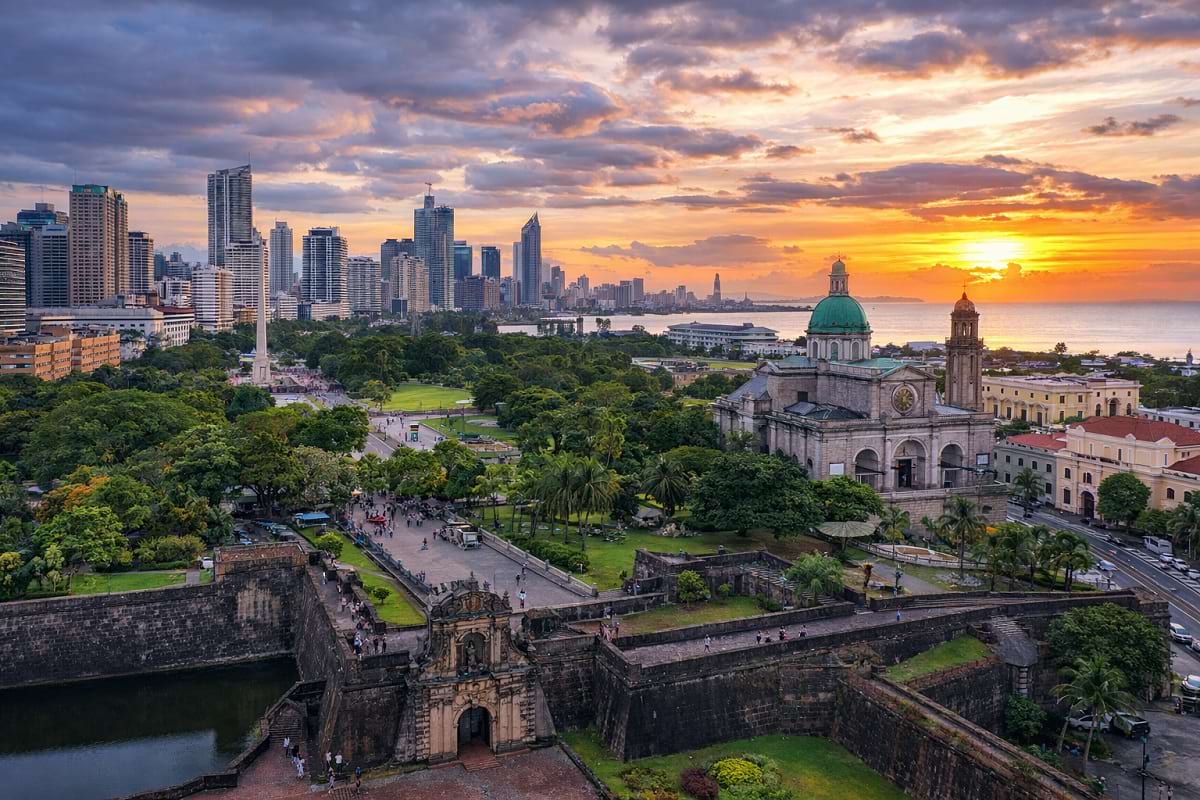
Manila is a city of contrasts. Modern skyscrapers stand next to colonial churches, busy arteries cross historic squares and centuries-old fortifications can be found between shopping centers and universities. Many travelers mainly see Manila as an arrival or departure point, but those who take the time will discover a city with character, history and surprising cultural depth. In this comprehensive guide, read… Read on

Intramuros in Manila: discover the historic walled city

Intramuros

Intramuros is the historic heart of Manila and one of the Philippines' most important cultural attractions. The name literally means “within the walls,” and that's exactly what it is: a walled city built in the sixteenth century during the Spanish colonial period. Today, Intramuros is a place where history,… Read on

Festivals in the Philippines – colorful traditions, religious celebrations and cultural highlights

Festivals

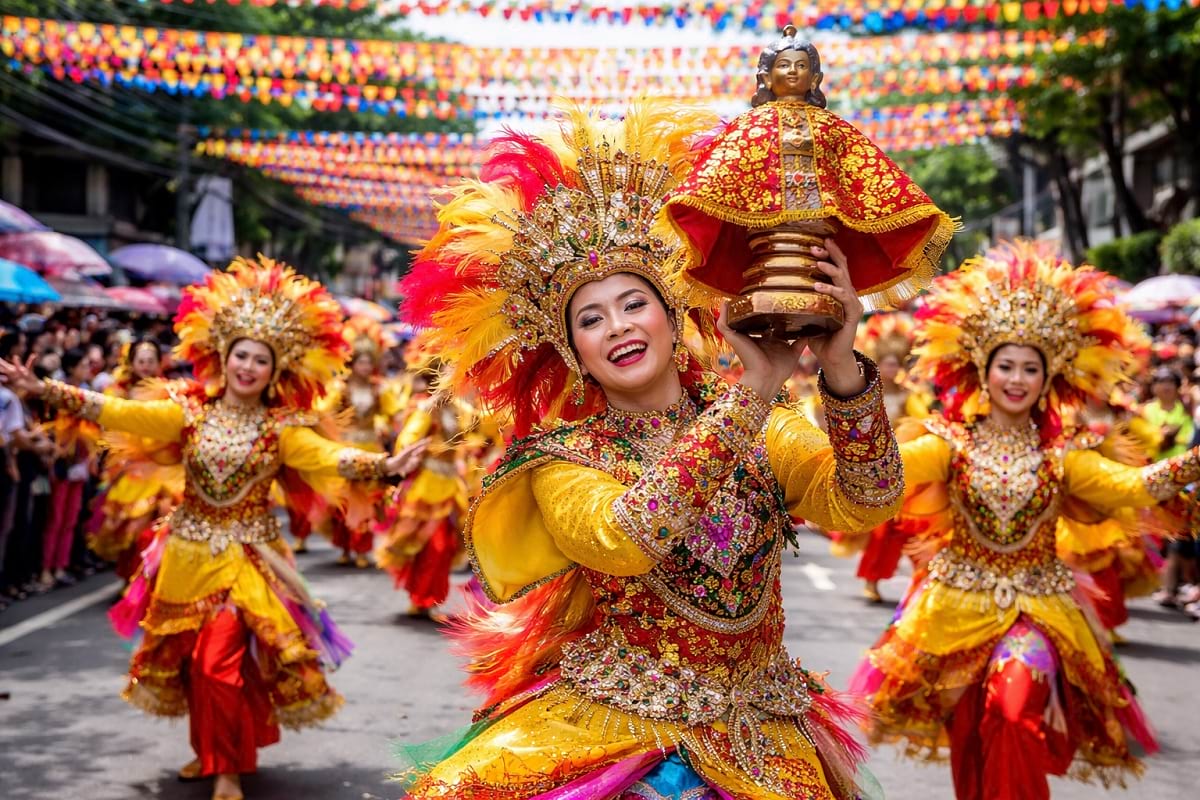
The Philippines are known worldwide for their spectacular festivals. Spread over more than 7,000 islands, hundreds of local and national festivals are celebrated throughout the year. These festivals – known locally as fiestas – combine religious devotion, colorful costumes, street dancing, music, food and strong community spirit. For travelers, festivals are a unique way to experience culture,… Read on

Oslob – whale sharks and waterfalls in southern Cebu

Walvishaai

Oslob is a coastal town in the south of the island of Cebu in the Philippines. The destination is best known for the opportunity to see whale sharks up close. In addition to this special experience, Oslob also offers waterfalls, viewpoints and access to surrounding islands. The combination of marine life and nature has made Oslob a popular… Read on

Mountain destinations in the Philippines – mountains, volcanoes and highland landscapes

Bergbestemmingen

The Philippines is a country of tropical islands and spectacular coastlines, but it also has an impressive mountain landscape that offers a rich and diverse range of adventure and nature-oriented destinations. From active volcanic craters and high mountain peaks to misty highlands and vast forests, the mountains of the Philippines show a different side of the country... Read on

Caves in the Philippines – underground rivers and limestone formations

The Philippines has thousands of caves spread across the archipelago. Thanks to the limestone landscape and volcanic activity, impressive cave systems have been created on many islands. From underground rivers to stalactites and stalagmites: caves in the Philippines are a special natural attraction. For adventurous travelers and nature lovers, caves offer a unique way to experience the landscape of the… Read on

Sagada – mountain village with hanging coffins in Northern Luzon

Sagada is a mountain village in Mountain Province in Northern Luzon, Philippines. Located in the Cordillera mountain range, the village is known for its cool climate, misty landscapes and unique funeral traditions. Sagada attracts travelers interested in nature, culture and mountain adventure. Due to its location at a high altitude, Sagada has a different character than the tropical… Read on

Baguio City – mountain city with cool climate in the Philippines

Baguio City is located in northern luzon In the province of Benguet and is known as the Summer Capital of the Philippines. Due to its location approximately 1,500 meters above sea level, the city has a cooler climate than many other parts of the Country. baguio is popular with both local visitors and international travelers Who… Read on

Mangroves in the Philippines – natural coastal protection

Mangrove

Mangroves in the Philippines are an essential part of the coastal ecosystem. Mangrove forests grow along many islands and coastlines in brackish and salt water. These special trees are adapted to tides and protect coastal areas against erosion, storm surges and flooding. The Philippines has extensive mangrove areas that are not only ecologically important, but also contribute to sustainable… Read on